
Outdoor mosaic murals for warmer days: What materials actually last

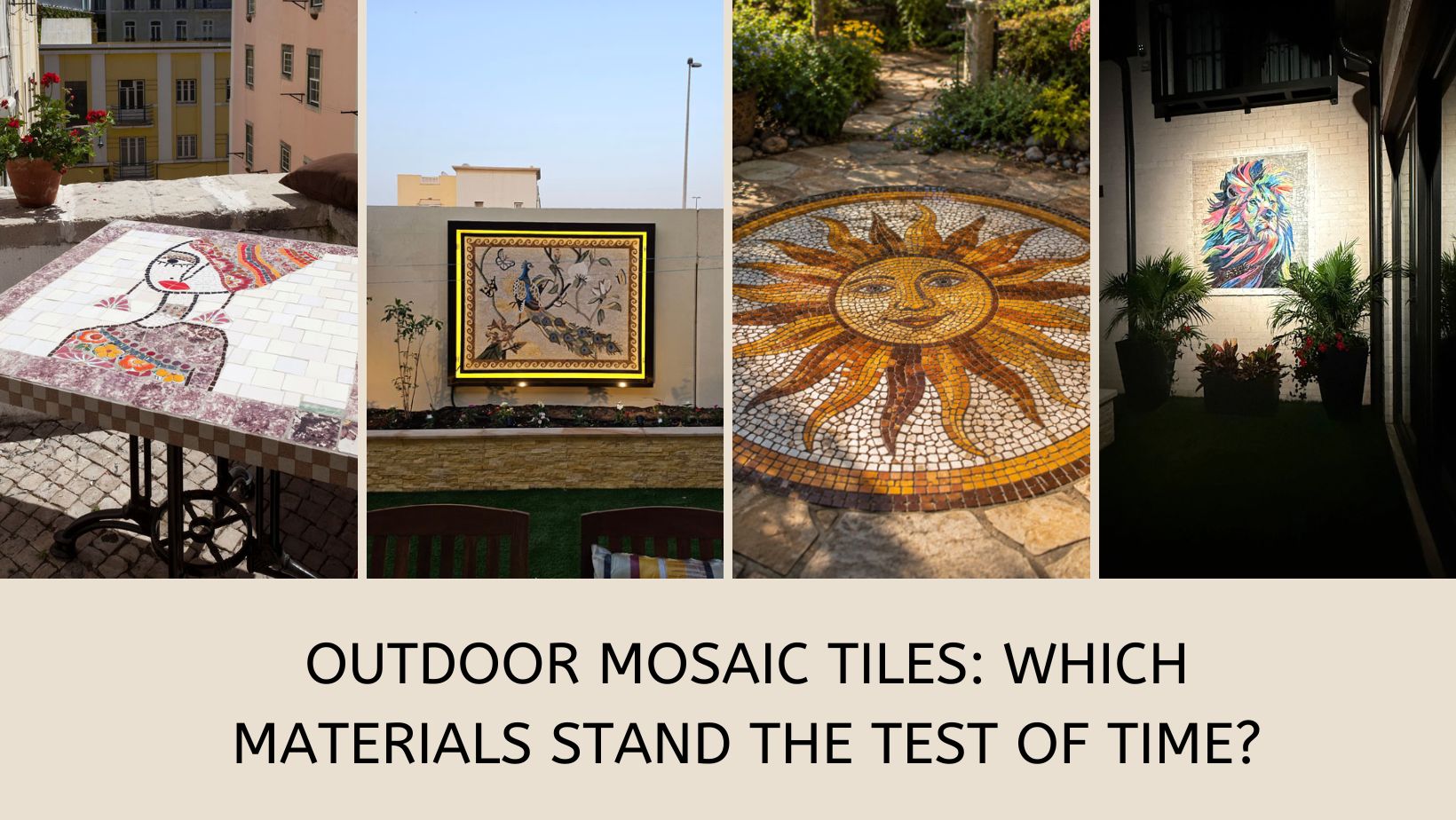
Main highlight: A gorgeous outdoor mosaic mural is only as good as its ability to survive the elements. If it can’t handle scorching summers, heavy downpours, and freezing winters, the beauty won’t last. On that note, durability has to be the main focus from day one.
Glass is hard to beat: Honestly, glass mosaic tiles are tough to top for outdoor spaces. They won’t absorb a single drop of water, and they simply refuse to fade in the sun, meaning those colors stay vibrant year after year. It’s easily one of the safest bets you can make.
Not just about glass: But don’t count out other materials. Porcelain is incredibly rugged and requires almost zero maintenance, while natural stone gives you that classic, organic look, provided you stay on top of sealing it.
The hidden heroes matter: Here’s the thing: even the premium tiles will fail if the adhesive or grout can’t hack it. Skipping out on proper, outdoor-rated installation products is a recipe for disaster.
A strong start matters: Your backing surface is everything. Sticking to solid foundations like concrete, stone, or cement board keeps your mosaic locked down, while wood shifts too much and almost always spells trouble later on.
Think beyond this season: Getting the material combination right does more than just help the piece survive a rough winter. It actually lets the artwork age gracefully, blending beautifully into the landscape over time.
Final takeaway: Bottom line? Let durability dictate every single choice when planning an outdoor mosaic. If you pick materials built to withstand the weather, you’ll have a piece that looks just as incredible years down the road as it did on day one.
(4 minutes) When warmer days arrive, outdoor spaces feel like kinda blank, kinda messy canvases. Patio walls, garden paths, and balcony corners beg for a splash of personality and expression. Before you start gluing your mosaic masterpiece, do yourself a favor and meditate on the future a bit. Remember that the sun is relentless, rain is unpredictable, and winter frost always shows up uninvited. If you want your artwork to survive more than one season, you must think like a survivalist.

In the world of exterior design, the real secret isn’t the pattern or the overall design. It’s picking components that can take a punch from Mother Nature and smile back.

The Undisputed Heavyweight: Glass Tiles
If materials had a “beautiful, but built for battle” category, glass mosaic tiles would win by a knockout. (prime Mayweather style) Glass is the ultimate outdoor icon because it is non-porous. While other substances soak up moisture like a sponge, glass remains unfazed. This is the difference between a masterpiece and a seasonal disaster. When water gets trapped inside a surface and freezes, it expands and shatters the artwork. Glass simply refuses to absorb that liquid.

Beyond physical toughness, glass has a UV superpower. While the sun can bleach plastic beads or cheap ceramics into sad, chalky ghosts, glass keeps its vibrant intensity at all times. Whether you use deep cobalt blues or iridescent greens, your project will stay visually captivating in the best way possible.

The Supporting Cast
While glass is the star performer, a well-rounded project often needs a reliable crew:
Porcelain (The Quiet Overachiever)
Fired at extreme temperatures, porcelain is nearly impossible to stain or damage. It lacks the luminous sparkle of glass but compensates with sheer toughness. It is the go-to for high-traffic patio tables or steps where you want a “set it and forget it” level of durability.

Natural Stone
Marble, slate, and granite bring a grounded, organic mood that blends into a garden. Just remember that stone is more porous than glass. To ensure longevity, sealing is not optional, it is mandatory. It will weather and soften over time. This is great for an “ancient ruins” aesthetic, but less ideal for precision-perfect designs, as it can appear disheveled.


Don’t let the Adhesive Be Your Weak Link
You could have the most expensive glass in the world, but if you use the wrong bond, your art will peel off like a bad sunburn. For exterior projects, skip the standard white craft glue. You need thin-set mortar. This cement-based substance handles temperature swings without losing its grip.

Pair that with sanded grout fortified with some flexible additive. This allows the installation to breathe, expanding and contracting as the weather shifts from a July heatwave to a cool night without cracking like dried-up cakey makeup.

The Base for Success
Finally, a word or two of caution. Wood is a slow-motion disaster for outdoor art. It warps, rots, shifts, and discolors. If you want your work to become a permanent part of the landscape, stick to concrete, cement board, or stone.


By balancing the brilliance of glass with the strength of porcelain, your creation stops being a temporary decoration and becomes a legacy. It won’t just survive the weather; it will grow into it.
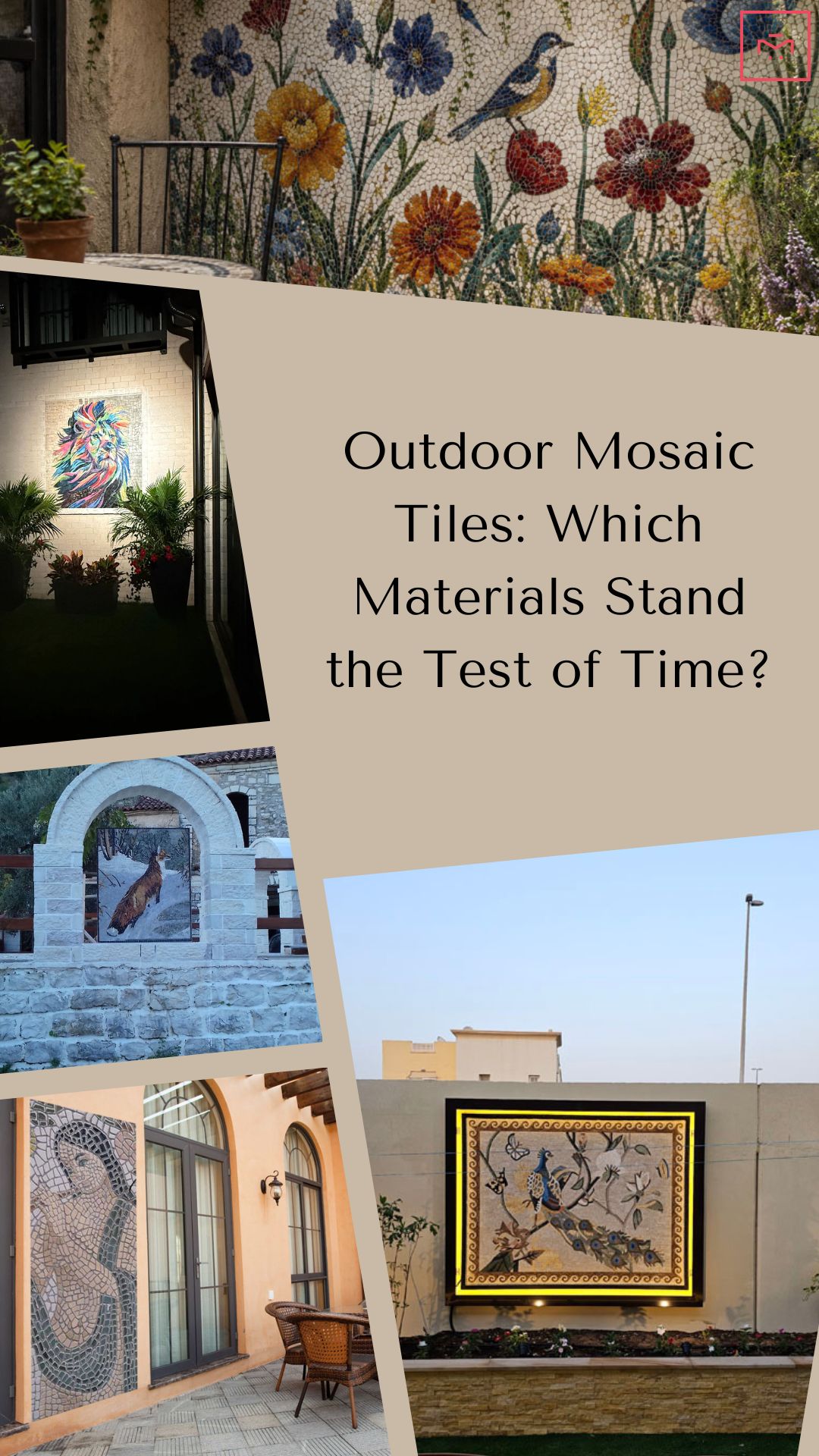
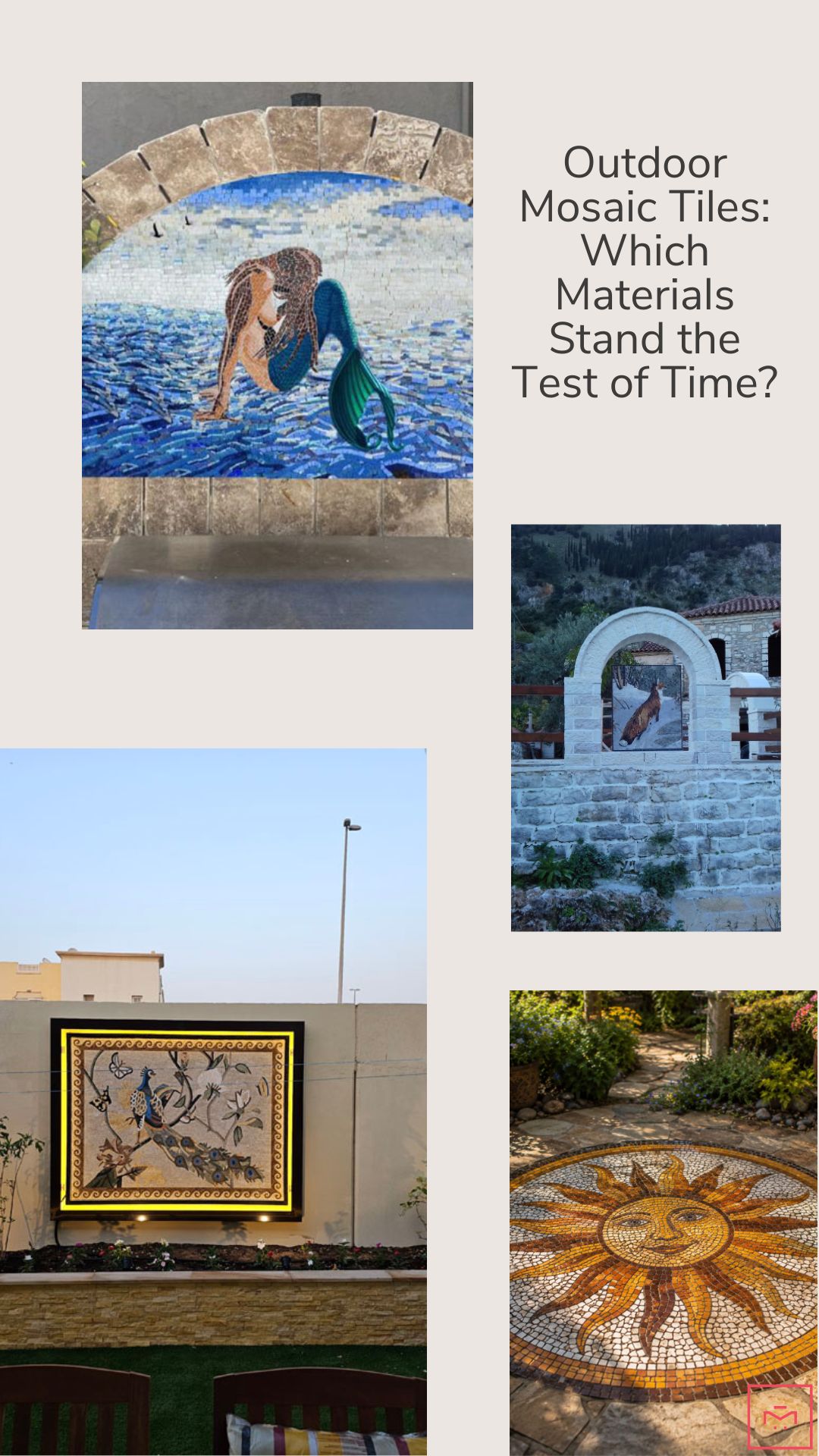
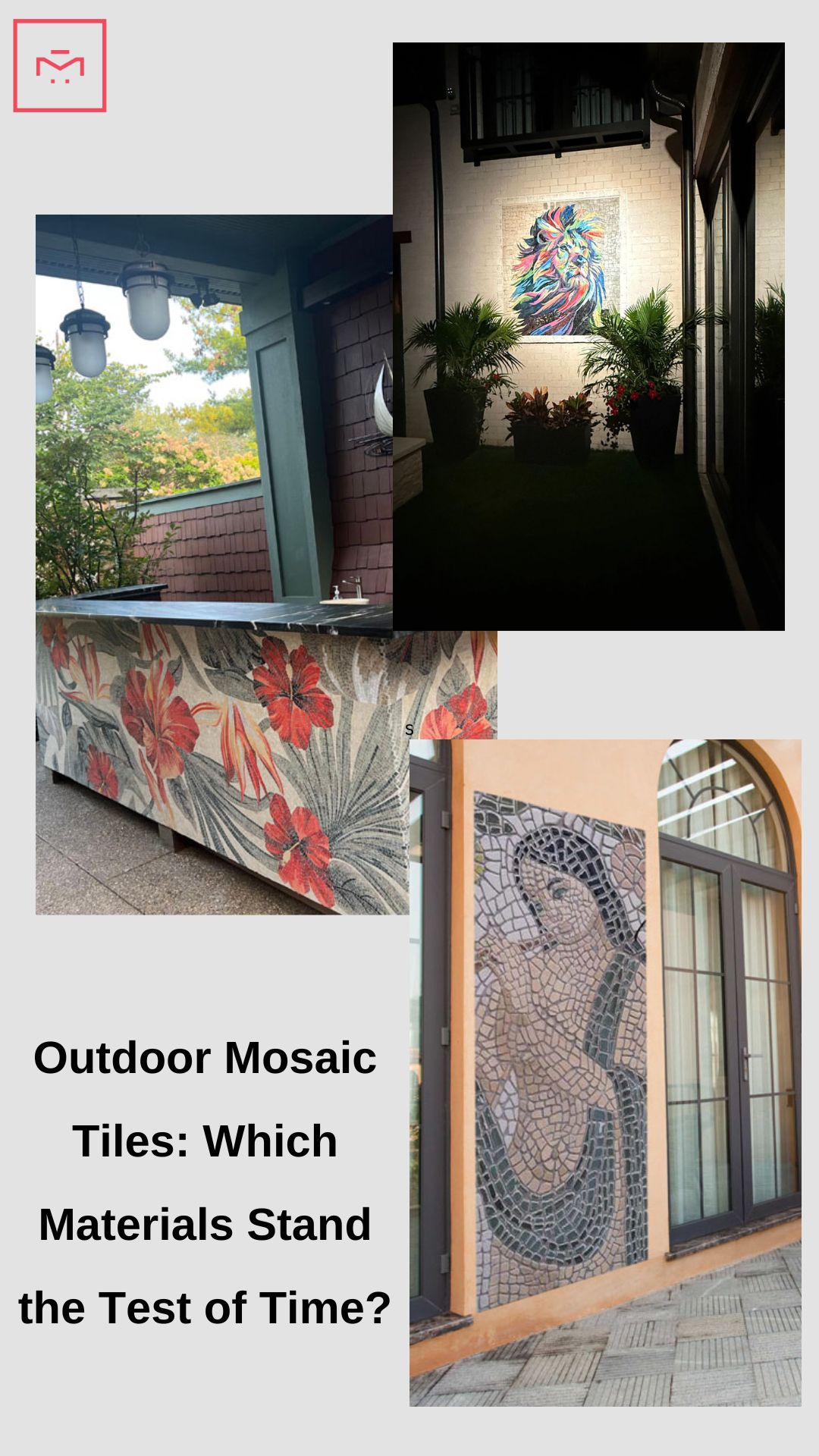
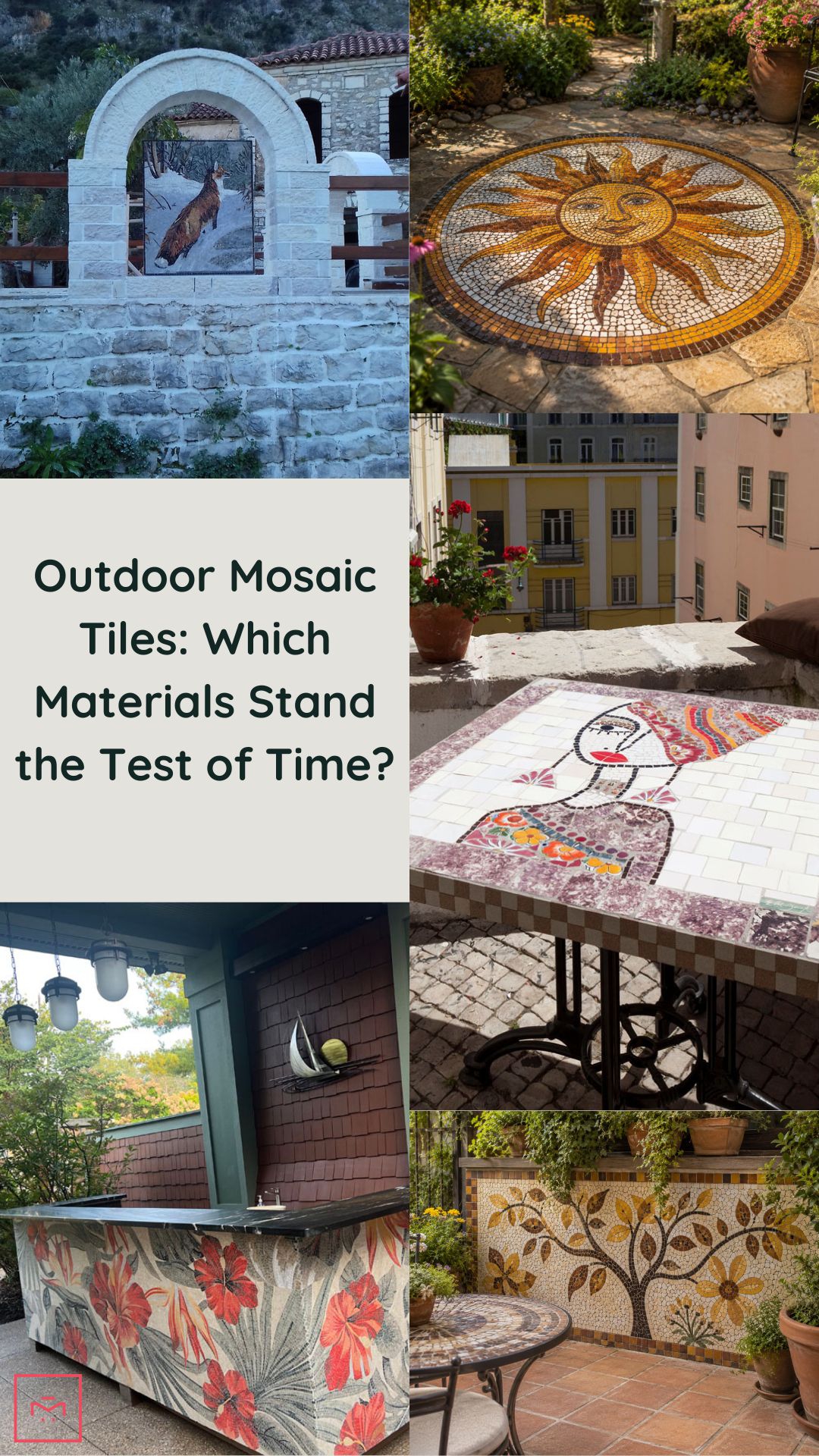
LIKE THIS? PLEASE SHARE AND “SUBSCRIBE” TO CATCH THE NEXT ONE.
FOLLOW OUR STORY AS IT UNFOLDS ON INSTAGRAM | FACEBOOK | TWITTER | PINTEREST
WE ADD NEW WORKS EVERY DAY, CHECK OUR LATEST MOSAIC ARTWORK COLLECTION.




19 Comments
I feel like a combo of porcelain and glass would be super pretty and absolutely indestructible (not really, but you know what I mean).
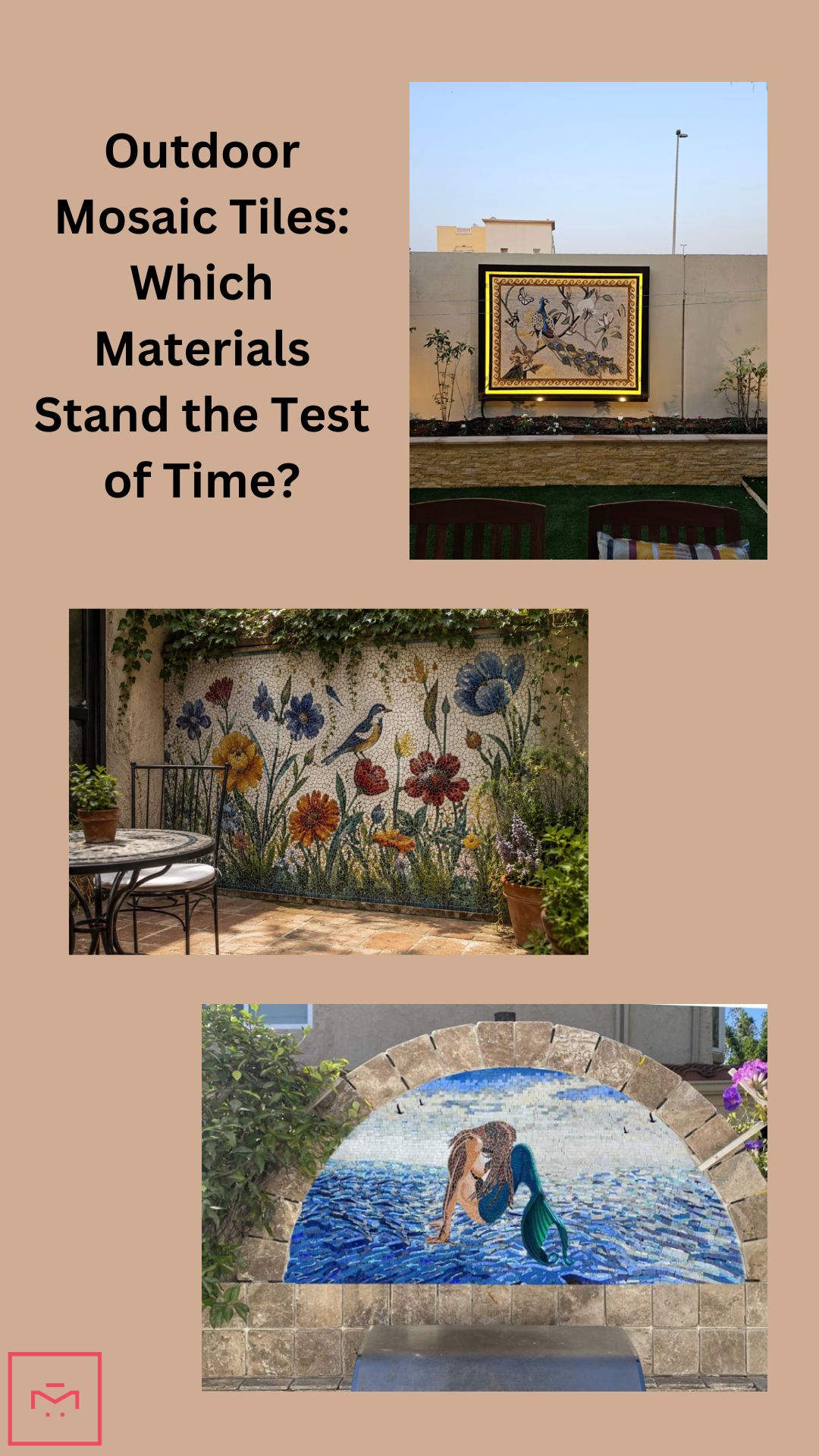
I love the bird and wild flowers mosaic. Currently redesigning my patio space and will consider including a mosaic
I never really thought about how the materials for mosaics mattered! Thank you for sharing.
The elements can take far more of a toll on our outdoor textiles than people realize. I loved this thorough breakdown.
What a beautiful look at the importance of choosing the right materials for outdoor mosaic projects. I never realized how much goes into creating a mosaic that can withstand years of sun, rain, and changing temperatures.
I can see why certain materials last well outdoors. I am particularly loving that sun patio mosaic, I would love something like that if I had the space!
Great guide on outdoor mosaic murals, showing how glass and porcelain withstand weather beautifully over time. Proper adhesive and solid backing are just as important for long-lasting, durable outdoor artwork.
This is great advice about mosaic murals for the outdoors, and which materials are best suited for those kinds of projects.
The idea of installing outdoor mosaic murals sounds very exciting. I’d love to get one for my house in the coming weeks.
When planning for the outdoors, durability is always at the top of my list.
I would have guessed that porcelain would top glass, but I stand to be corrected!
The mosaics shown in the pictures are so beautiful!! Saving these ideas!
The outdoor mosaic mural ideas are absolutely gorgeous. They are a true inspiration for elevating boring backyard walls.
Great article! Choosing the right materials from the start can make all the difference. The tips on glass, porcelain, and proper installation were especially helpful for anyone planning an outdoor mosaic project.
Thank you so much for educating me about the materials to look for when purchasing outdoor mosaic murals for my house. Super helpful.
Thank you very much for recommending materials to look for when purchasing outdoor mosaic murals for my house. So helpful.
I hadn’t thought about mosaics in extreme weather before. Very apt though I guess during this heatwave we’re having. I love the idea that glass doesn’t discolour! That’s exactly what you when in terms of longevity.
What beautiful inspiration! I never realized how much thought goes into choosing materials for outdoor mosaics. The tips about glass, proper grout, and a solid foundation were especially helpful, and the finished projects are absolutely stunning.
Thanks a lot for educating me about what materials to look for when wanting to install an outdoor mural for my home. So helpful.
I am loving all of the featured outdoor mosaic designs listed above. I so would love to add any one of these to my outdoors space…. so pretty!
Thank you for the tip about choosing materials for outdoor art. I never realized wood wasn’t the best option, so I’ll definitely keep your advice in mind and stick with concrete, cement board, or stone instead.