
How Natural Light Transforms Mosaic Wall Art Throughout the Day

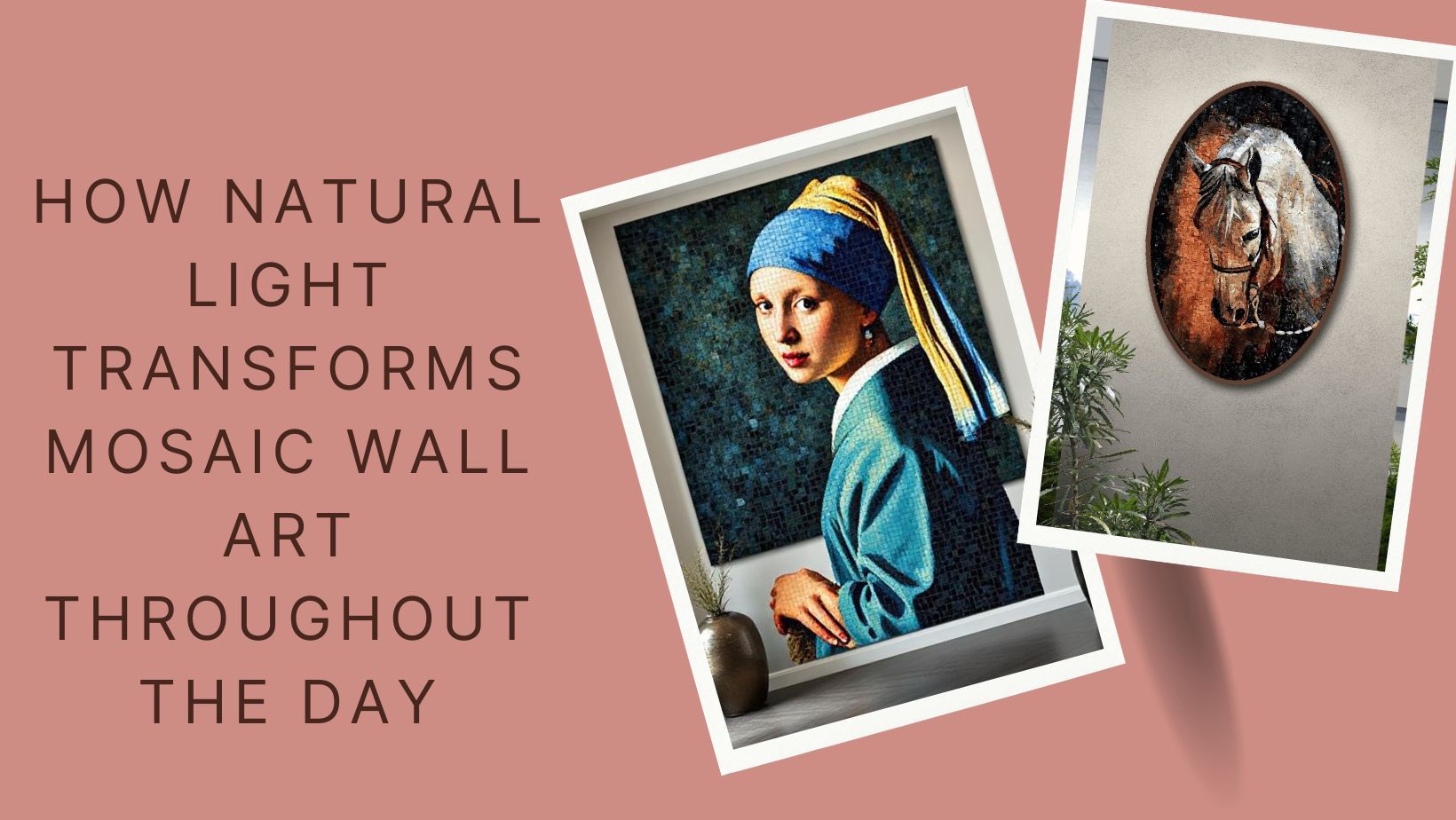
Main highlight: Natural light transforms your mosaic art throughout the day, revealing new colors, textures, and dimension with every change in the sun.
Daylight brings mosaics to life: Unlike artificial lighting, natural sunlight highlights the true beauty of both glass and stone, enhancing their texture and elevating their color.
A different look every hour: Morning, midday, and evening light each create a unique visual effect, making the same mosaic feel constantly new and exciting.
Placement makes all the difference: Positioning a mosaic near windows allows it to interact with sunlight more, creating a playful and engaging focal point.
Match materials to the room: Bright, sun-filled spaces pair beautifully with reflective glass, while softer, north-facing rooms benefit from warmer natural marble.
Built to shine for years: Unlike paint or wallpaper, a well-placed mosaic continues to evolve with natural light, maintaining its beauty and novelty for decades to come.
Final takeaway: By combining thoughtful placement with the right materials, natural light turns a handcrafted mosaic artwork into a living, ever-changing masterpiece.
(4 minutes) Most walls are completely boring. You roll on some paint, hang a frame, and the view never changes. A stone mosaic is different. It doesn’t just sit there because it interacts directly with the sun. Since it is made of hundreds of tiny, separate tiles set at slightly different angles, the whole surface shifts. It changes mood from morning to night, making the space feel alive.

People figured this out thousands of years before electricity. Ancient mosaic artists intentionally used windows and open courtyards to make their glass and stone patterns pop. We can do the exact same thing today to give a room a lot more character without buying extra decor.

Why Daylight Beats Lightbulbs
Standard indoor lightbulbs tend to flatten everything. They leave a weird, fake yellow or blue tint on everything they touch. Natural daylight does the opposite. It shows off the actual, honest texture of the glass and stone tiles.

Because handmade glass and split-face marble have natural bumps and ridges, each piece catches the sun differently. As the light shifts outside, it throws tiny shadows across the wall. A mosaic that looks flat and simple at breakfast will look deeply textured and three-dimensional by mid-afternoon, even if you only used a single color of stone.

The Daily View
If you watch a well-placed mosaic, it changes completely over twelve hours. In the early morning, the light is soft and cool. This is the best time to notice the craftsmanship and the neat lines of how the tiles fit together. It is quiet, clean, and a nice view with your morning coffee.

By noon, the sun is high and intense. The glass or stone of your mosaic masterpiece slowly starts bouncing bright reflections across the ceiling. Then comes the late afternoon. The low, warm evening sun hits the wall sideways. It catches the hidden veins in marble and translucent depths in glass, making the whole wall look deeply warm and magical.

Smart Placement
You can’t just slap a mosaic on any random wall; you have to track your windows. Putting a backsplash right across from a kitchen window means it shimmers while you cook. On the same note, a bathroom wall hit by early morning sun makes a normal routine feel like a high-end spa.

The direction the room faces matters too. South-facing rooms get bright, harsh light all day, so they can handle a chaotic mix of shiny glass and matte stone. North-facing rooms get a softer, cooler light. Those spaces look best with warmer, matte stones like travertine to help make the room feel cozier.

Wallpaper rips and paint fades, but mosaic lasts forever. If you put it where the sun can reach it, you get a piece of art that looks brand new every single hour.


LIKE THIS? PLEASE SHARE AND “SUBSCRIBE” TO CATCH THE NEXT ONE.
FOLLOW OUR STORY AS IT UNFOLDS ON INSTAGRAM | FACEBOOK | TWITTER | PINTEREST
WE ADD NEW WORKS EVERY DAY, CHECK OUR LATEST MOSAIC ARTWORK COLLECTION.






11 Comments
I feel like natural light is a must if you’re going to have a mosaic of any kind. The light is what makes it pop so well!
This is why I want to do a mosaic floor in our three season room. I think all that natural light will make it amazing.
I do feel that natural lighting does make all art look so much better! Sounds like this is the same for mosaics, though I feel tiles look particularly shiny in natural lighting.
Natural daylight always looks amazing when it is shining against small mosaic tiles. I guess that is why we really do need to think about placement.
I never realized how much natural light affects mosaics. The changing textures and colors sound absolutely beautiful.
I love the look of mosaic walls, and I didn’t realize how much natural light would change them throughout the day. It sounds lovely that it would constantly highlight the distinct textures of the glass and stone.
I had never considered window direction before choosing wall art, but the north-facing marble suggestion makes sense.
I totally agree that natural light illuminates and transforms mosaic wall art throughout the day. Must get one for my home.
I love watching how daylight totally changes a room throughout the day. The best source of light!
I totally agree that natural light elevates mosaic wall art significantly than artificial bulbs. A lovely read.
I didn’t realize it could have that effect, but it actually makes a lot of sense now that you explained it. We’ll definitely be more mindful about where we place our future mosaic projects so they can get more natural light. Thanks for sharing this helpful tip!