
Why Your Kitchen Needs a Glass Mosaic Backsplash This Autumn

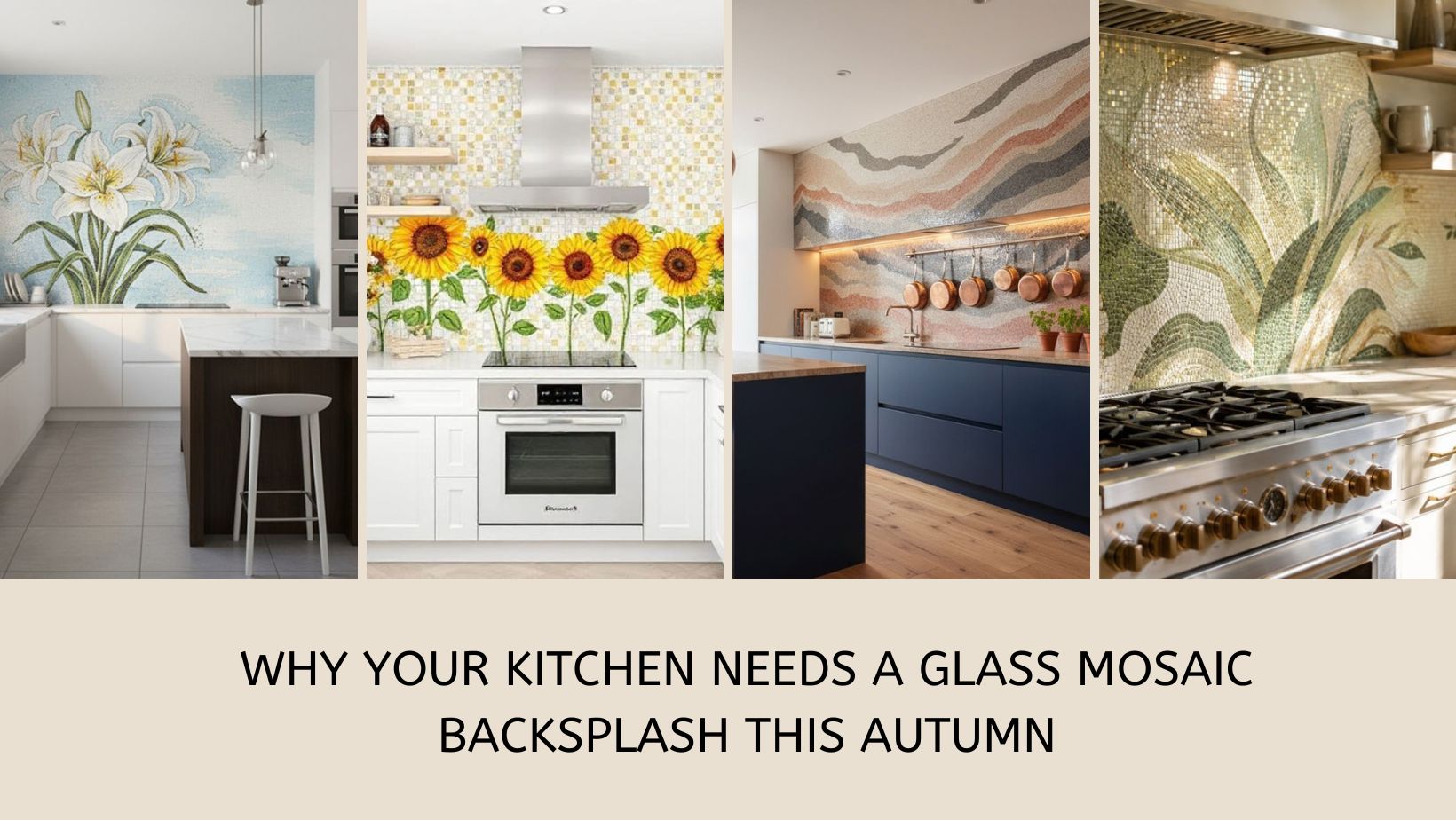
Main Highlight: A textured glass mosaic backsplash is the ultimate design secret for transforming a cold, sterile winter kitchen into a warm, cozy retreat.
The Low-Light Solution: Winter dusk hits around 4 PM, and harsh overhead lighting kills the cozy mood. Glass mosaic backsplashes save gloomy evenings by maximizing the low ambient light.
Prismatic Texture Over Mirrors: Standard walls swallow light, and mirrored tiles look flat and blinding. Glass mosaics use a mix of glossy, matte, raised, and iridescent pieces to scatter light like mini prisms.
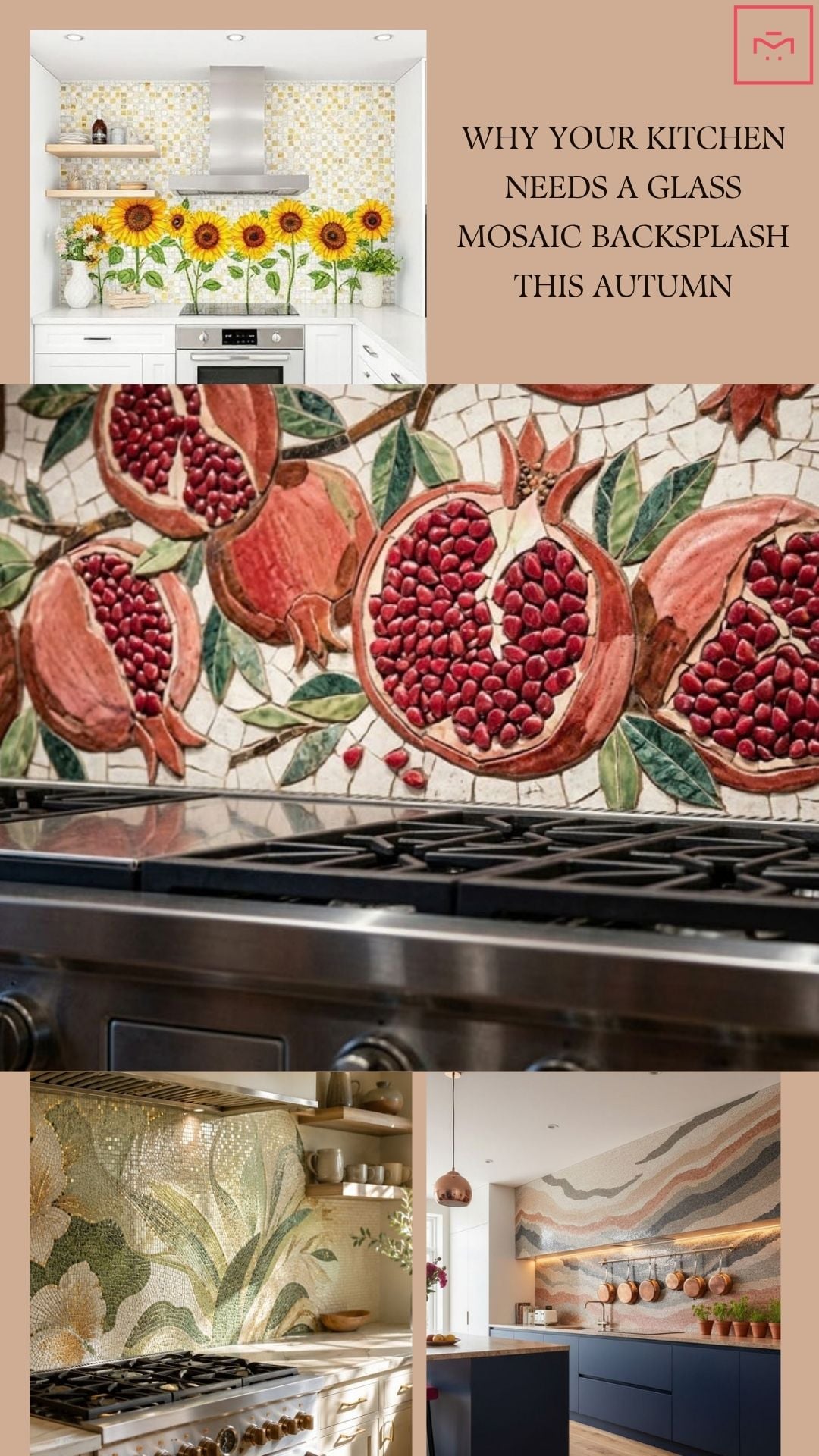
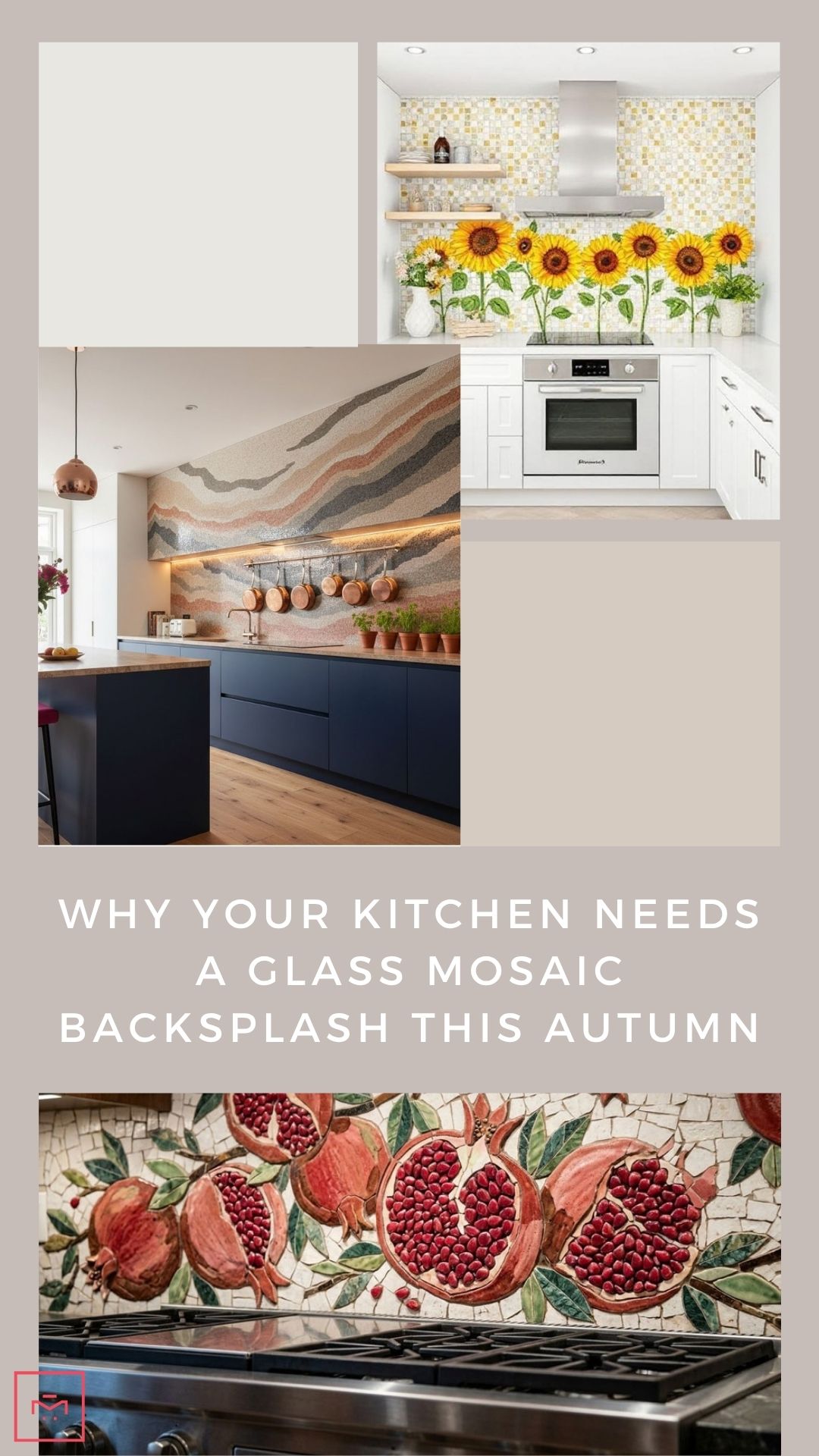
The Autumn Color Palette: Ditch cold whites and blues for rich, grounding tones like warm honey, burnt amber, heavy copper, rich caramel, and moody espresso brown.
Strategic Placement: Fire needs breathing room to create depth. Positioning candles on an island or adjacent shelf throws long, rippling shadows across the textured glass.
Grounding the Sheen: Pair flashy glass with raw, organic textures such as unrefined wood, matte ceramic mugs, and tarnished brass hardware to keep the space feeling organic and lived-in.
(5 minutes) Winter is practically knocking by four o’clock these days. The sun checks out early, the windows turn into black glass, and suddenly every harsh bulb in the house feels like a personal attack. It strips all the soul right out of the room.

Lately, I’ve been fixated on low lighting, candles, and why glass mosaic backsplashes are honestly the best-kept secret for surviving the gloomy months.

Most walls are lazy. They just sit there and swallow whatever light you throw at them. Glass mosaics do the exact opposite. You are working with hundreds of tiny, independent pieces here. Some are glossy, some are completely matte, a few are slightly raised, and others catch an iridescent sheen. Together, they act like a bunch of uncoordinated prisms. Add a flickering flame or a warm under-cabinet strip, and the wall actually starts moving.

If you are chasing that cozy, campfire-style vibe, you have to throw out the sterile whites and icy blues. Lean entirely into the deep autumn spectrum. Think raw honey, burnt amber, heavy copper, rich caramel, and moody espresso brown. People always think they need a literal mirrored tile to get good reflection, but that just ends up looking blinding and flat. You want texture instead. Let some tiles catch a sharp glint while others hold a soft, buttery glow. The darker pieces anchor everything so it never dips into looking like cheap holiday decor.

Then there is placement, which people mess up all the time. If you jam a candle right up against the tiles, nothing happens. You need breathing room. Set a cluster of pillar candles on the island or style an open shelf off to the side. That small gap gives the fire room to throw long, rippling shadows across the glass.


You have to balance out the flashiness, too. Pair the glass with heavy, organic textures like raw-edge wood, matte ceramic mugs, or tarnished brass hardware. Keep it grounded so the kitchen feels lived-in instead of like a cold furniture showroom.
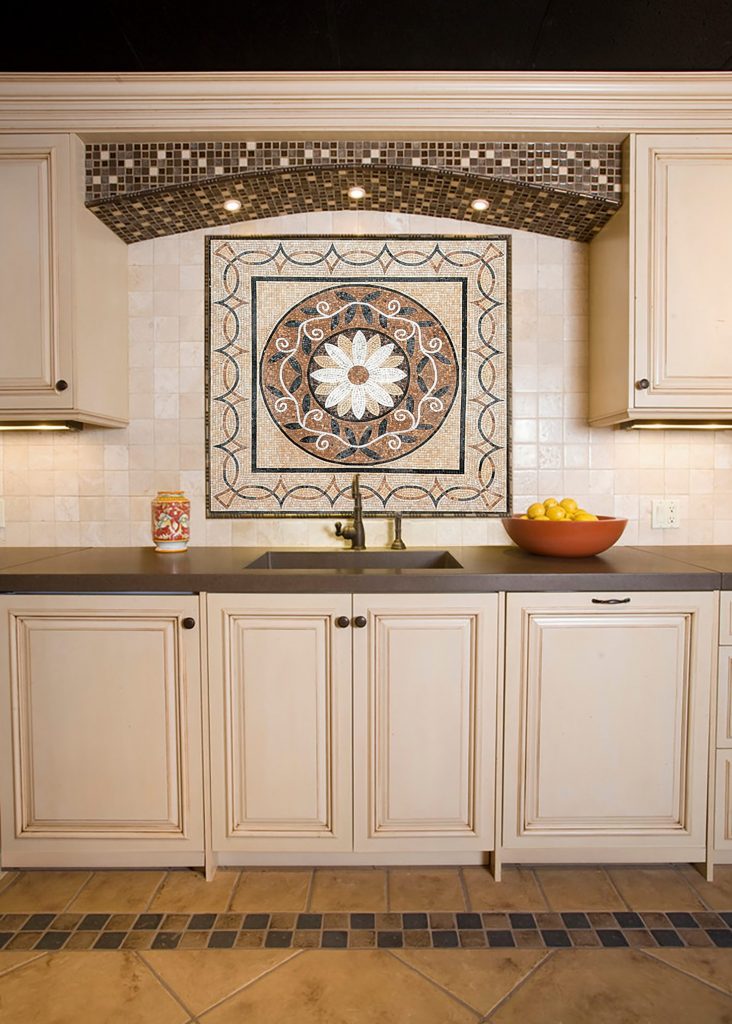
By the time twilight settles in and you actually strike a match, the whole dynamic shifts. That backsplash stops being a passive vertical surface. It changes color as the night deepens, shimmers every time you cross the room, and basically puts on its own quiet light show while you wait for the kettle to boil.

Ultimately, a kitchen isn’t just a functional place to cook. It is where we retreat, regroup, and reset when the days turn short and cold. By choosing a glass mosaic backsplash that responds to the softest flicker of light, you turn an ordinary wall into a living feature. Long after the autumn sun sets, your kitchen remains the warmest, brightest room in the house.




LIKE THIS? PLEASE SHARE AND “SUBSCRIBE” TO CATCH THE NEXT ONE.
FOLLOW OUR STORY AS IT UNFOLDS ON INSTAGRAM | FACEBOOK | TWITTER | PINTEREST
WE ADD NEW WORKS EVERY DAY, CHECK OUR LATEST MOSAIC ARTWORK COLLECTION.






No Comment